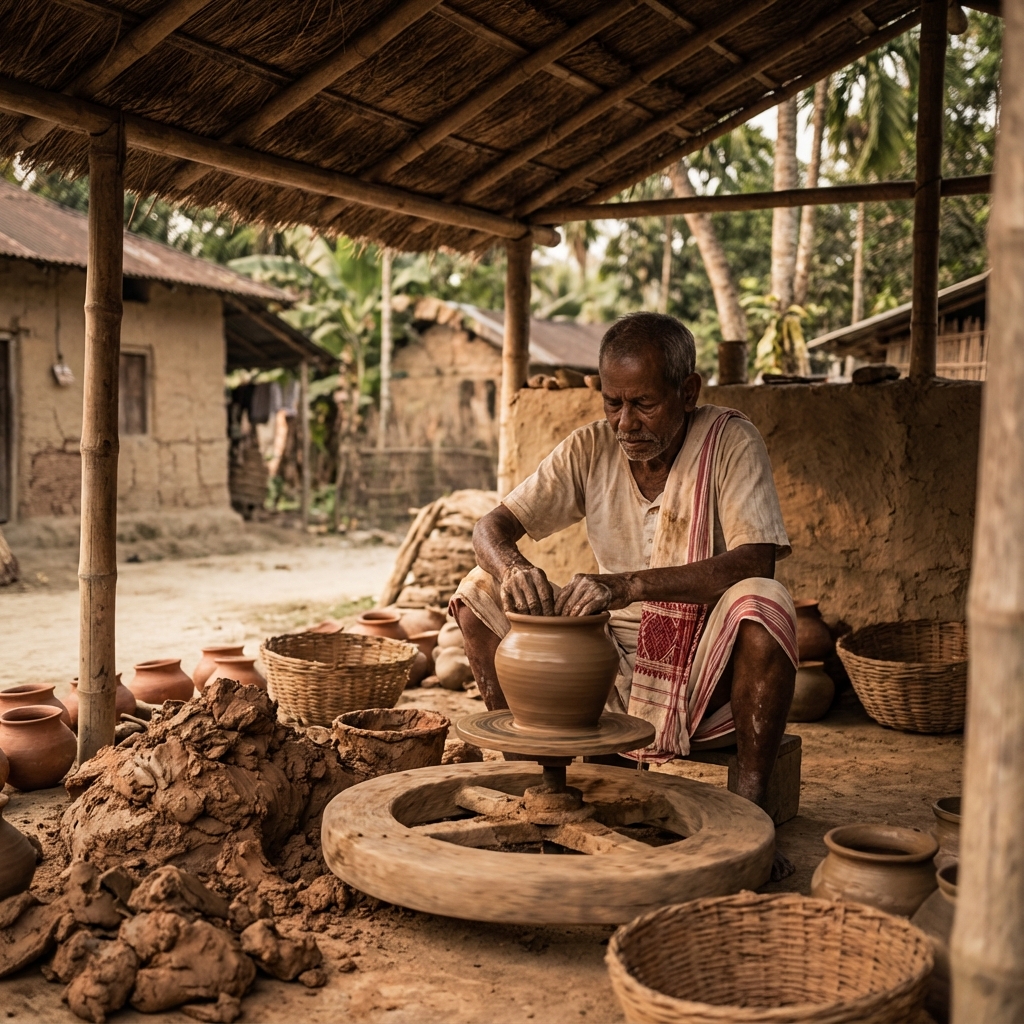
In small villages scattered across Assam, potters continue an ancient craft, their hands shaping clay into vessels that carry water, culture, and history. These humble artisans are the keepers of traditions that have endured for thousands of years, despite the challenges of modern times.
The Ancient Craft of Pottery
Pottery is one of humanity's oldest crafts, and in Assam, it has been practiced continuously for over two millennia. Archaeological evidence suggests that pottery was made in the region during the Neolithic period. Today, this craft connects modern Assamese potters with their ancestors.
"Every pot I make is a conversation with my ancestors, a promise to future generations."
The Village of Potters
Villages like Kaliabor and Bijoynagar are renowned pottery centers where entire communities dedicate themselves to this craft. In these villages, you'll find families where pottery is not just a profession but an identity passed down through generations.
Meet Hemendra: A Potter's Story
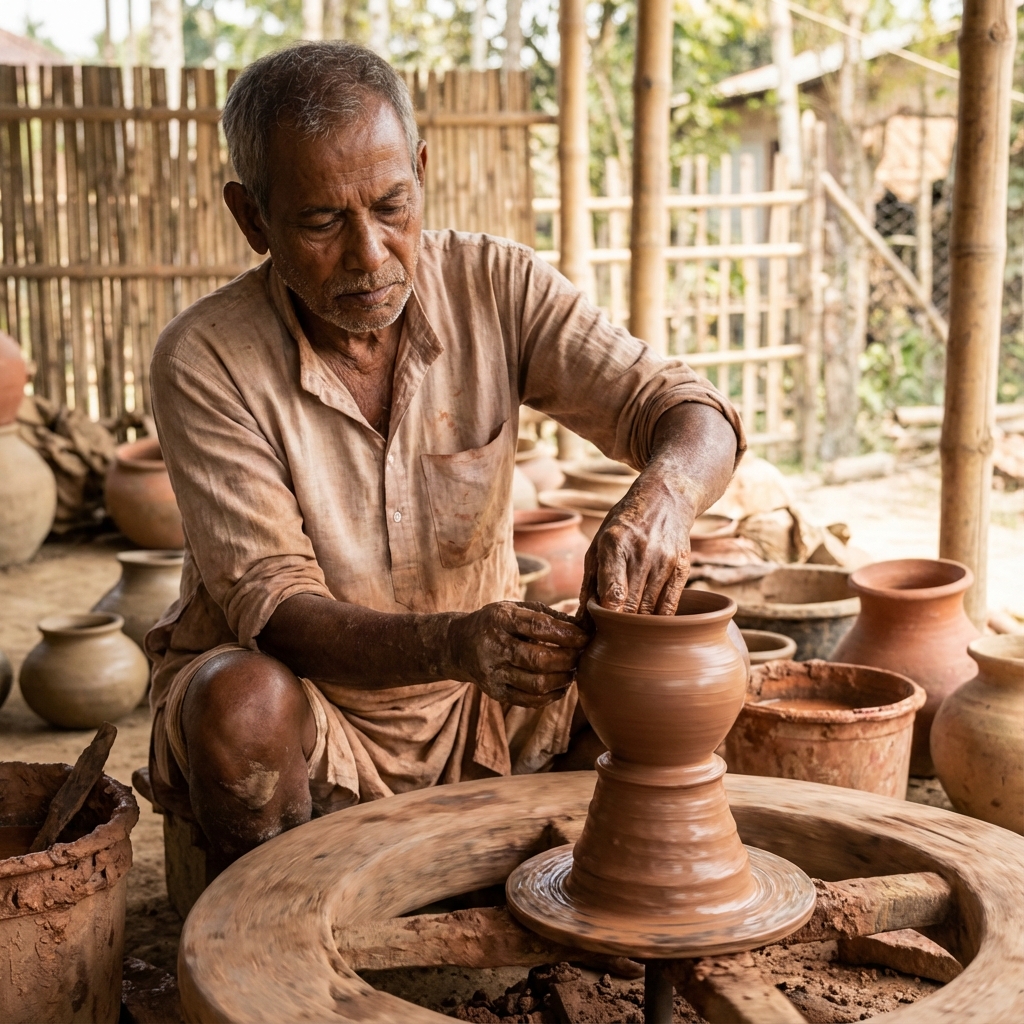
Hemendra Dey is a potter in Kaliabor village who has been making pottery for over 40 years. He learned the craft from his father, who learned from his father before him. Despite numerous hardships, Hemendra continues to create beautiful clay vessels.
A Day in the Life
Hemendra's day begins before sunrise, preparing clay at his pottery wheel. He shapes hundreds of pots in various sizes—from small oil lamps to large water vessels. His hands move with a grace that comes from decades of practice, creating perfect symmetry from raw clay.
"The clay teaches you," Hemendra often says. "If you listen to it, feel it, respect it, the forms will come naturally. A good potter doesn't force the clay; the clay and the potter work together."
The Economics of Pottery
Despite the beauty and cultural significance of pottery, potters in Assam face economic challenges. The advent of plastic and mass-produced ceramics has reduced demand for traditional pottery. Many potters earn just enough to survive, and their children often choose different professions.
Preserving a Tradition
Young people like Ritika, Hemendra's daughter, represent hope for the future. After completing her education, she returned to her village to learn pottery from her father. She now works to modernize the business while preserving traditional techniques, creating contemporary designs that appeal to urban consumers.
The Craft: From Clay to Finished Pot
Creating a pot involves several steps, each requiring skill and experience. The process begins with selecting and preparing clay from local clay pits. The clay is then wedged to remove air bubbles, thrown on the wheel, shaped, dried, and finally fired in a kiln.
The Pottery Wheel
Most traditional Assamese potters use hand-operated or treadle wheels rather than electric wheels. The potter controls the speed with their feet while shaping with their hands—a skill that takes years to master.
Kiln Firing
The firing process is crucial. Traditional Assamese potters use wood-fired kilns, which require careful temperature control and understanding of airflow. The firing can take several days, and the results are never completely predictable, adding an element of chance and artistry.
Cultural Significance of Pottery
In Assamese culture, pottery holds deep significance. Clay lamps are lit during festivals, water pots are essential in households, and pottery is integral to rituals and celebrations. These vessels are not mere objects but carriers of culture and tradition.
Supporting Assam's Potters
- Purchase directly from potters and pottery villages
- Visit pottery studios and learn about the craft
- Commission custom pieces for special occasions
- Support artisan cooperatives and fair-trade organizations
- Share pottery stories and images on social media
- Encourage young people to learn and continue the craft
The Future of Assamese Pottery
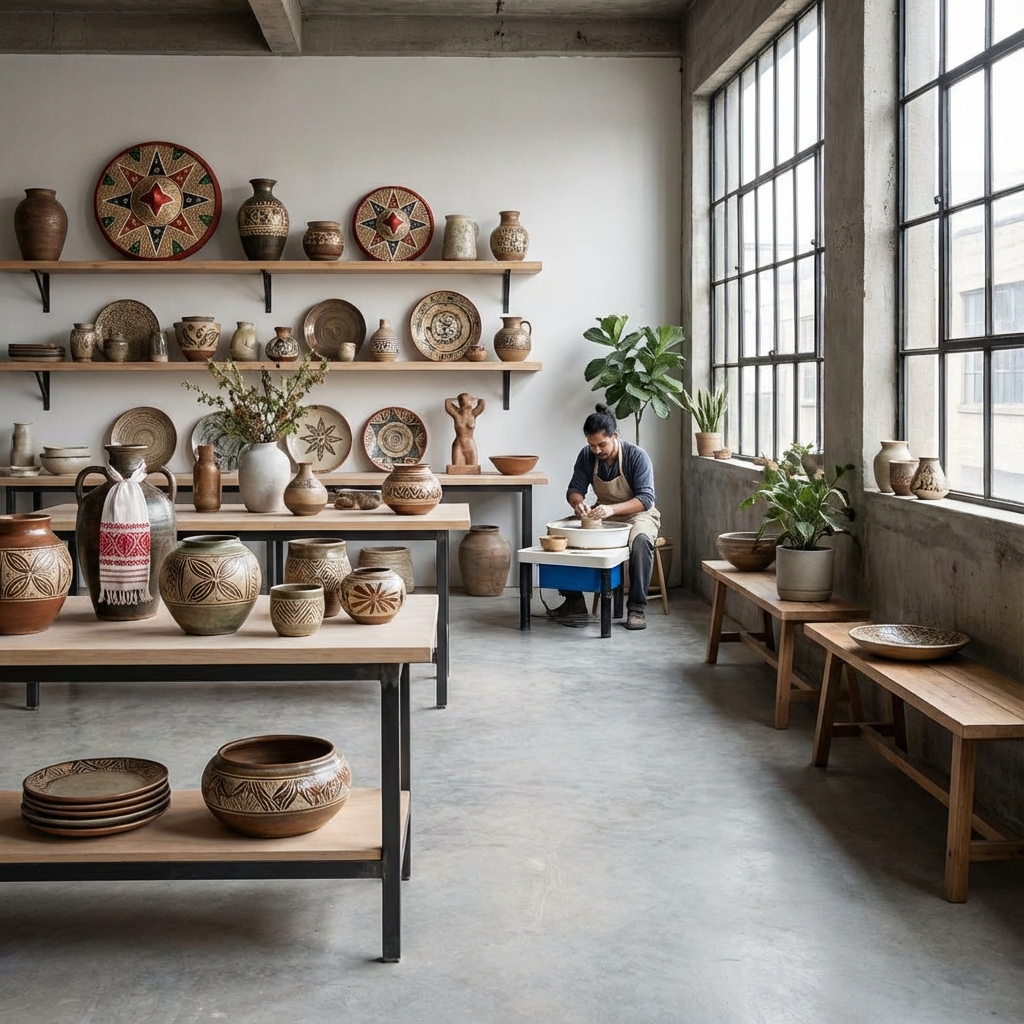
The future depends on preserving the craft while making it economically viable. Initiatives like pottery tours, workshops, and online sales platforms are helping potters reach new markets. Government support for artisan development is also crucial.
Pottery in Assam is more than a craft; it is a way of life. The Kumar and Hira communities have kept this ancient tradition alive, using distinct techniques. While the Kumars use the potters' wheel, the Hiras use a unique compression method, shaping clay solely by hand.
Weaving: Threads of Gold
Every Assamese household traditionally has a loom. The weaving of Muga (golden silk), Eri (non-violent silk), and Pat (mulberry silk) is an art form passed down through generations. The intricate designs often depict flora and fauna, weaving nature into the very fabric of life.
Celebrating Life: Bihu
The spirit of the people is most visible during Bihu, the set of three festivals that mark the agricultural cycle. Rongali Bihu, celebrating the New Year in April, is a riot of color, dance, and music.
"To understand Assam, join the Bihu dance. It is the heartbeat of the land."
Related Stories
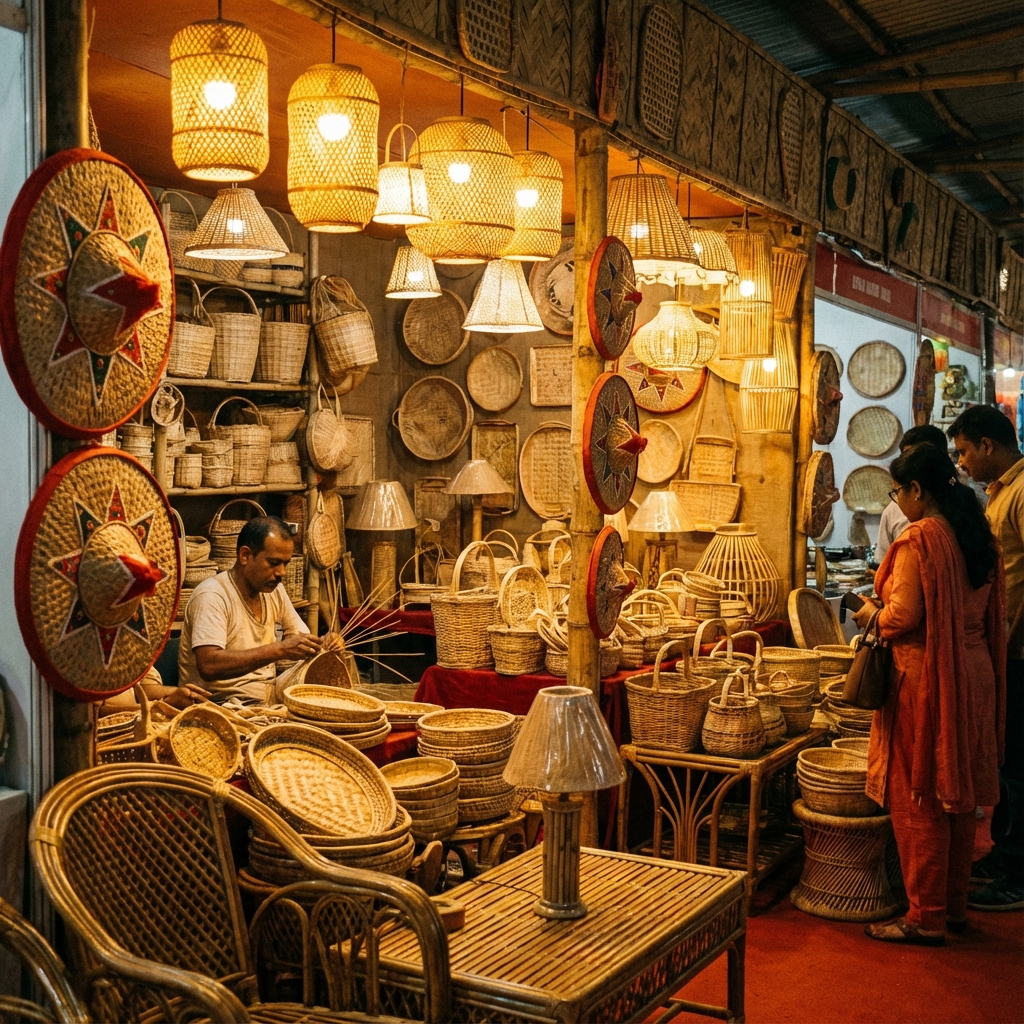
Bamboo Magic: Crafting the Future
How sustainable bamboo crafts are taking over the market.

The Colors of Rongali Bihu
A photo essay on the spring festival of joy.
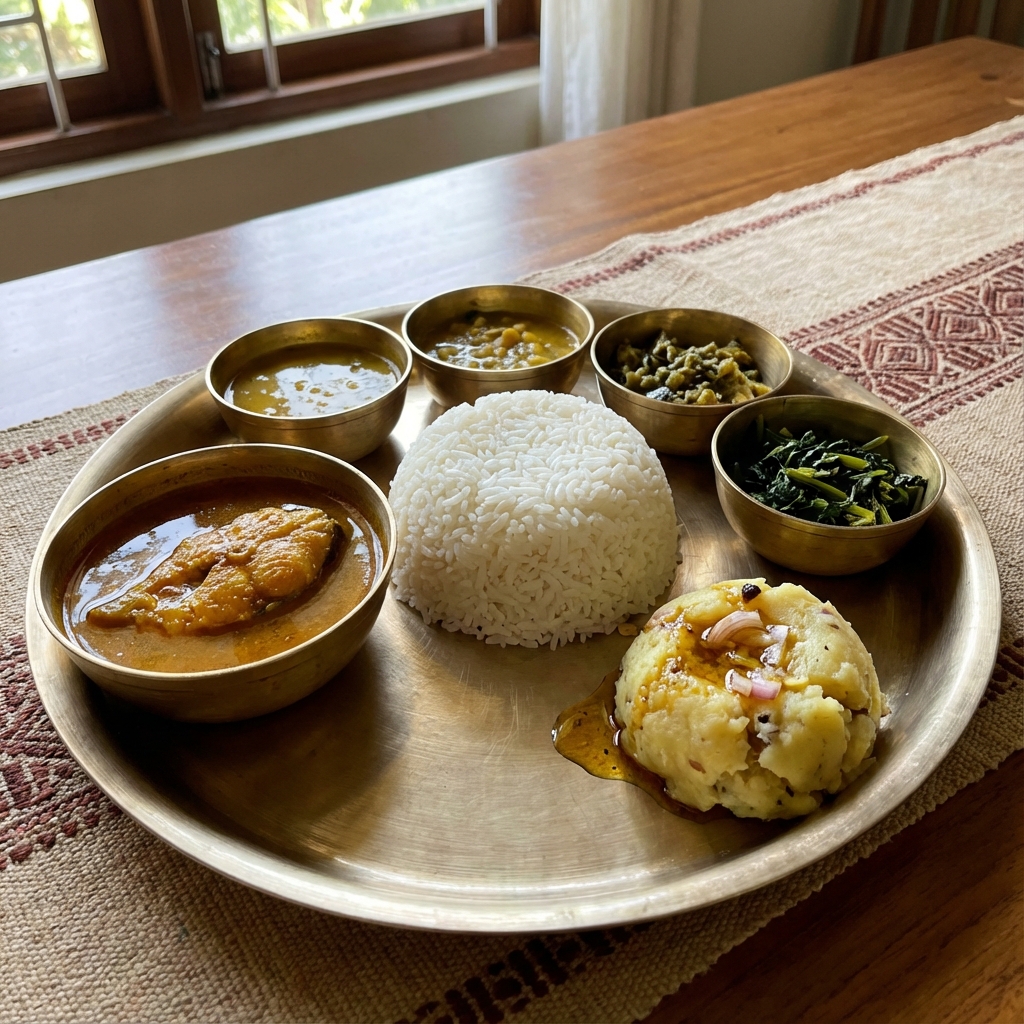
Community Feasts: A Culinary Journey
Exploring the communal eating traditions of tribal Assam.
Dev Sinha, Cultural Anthropologist
Featured Artisan Studio
Asharikandi Terracotta Village
Interact with master potters and buy direct from the source.
View details