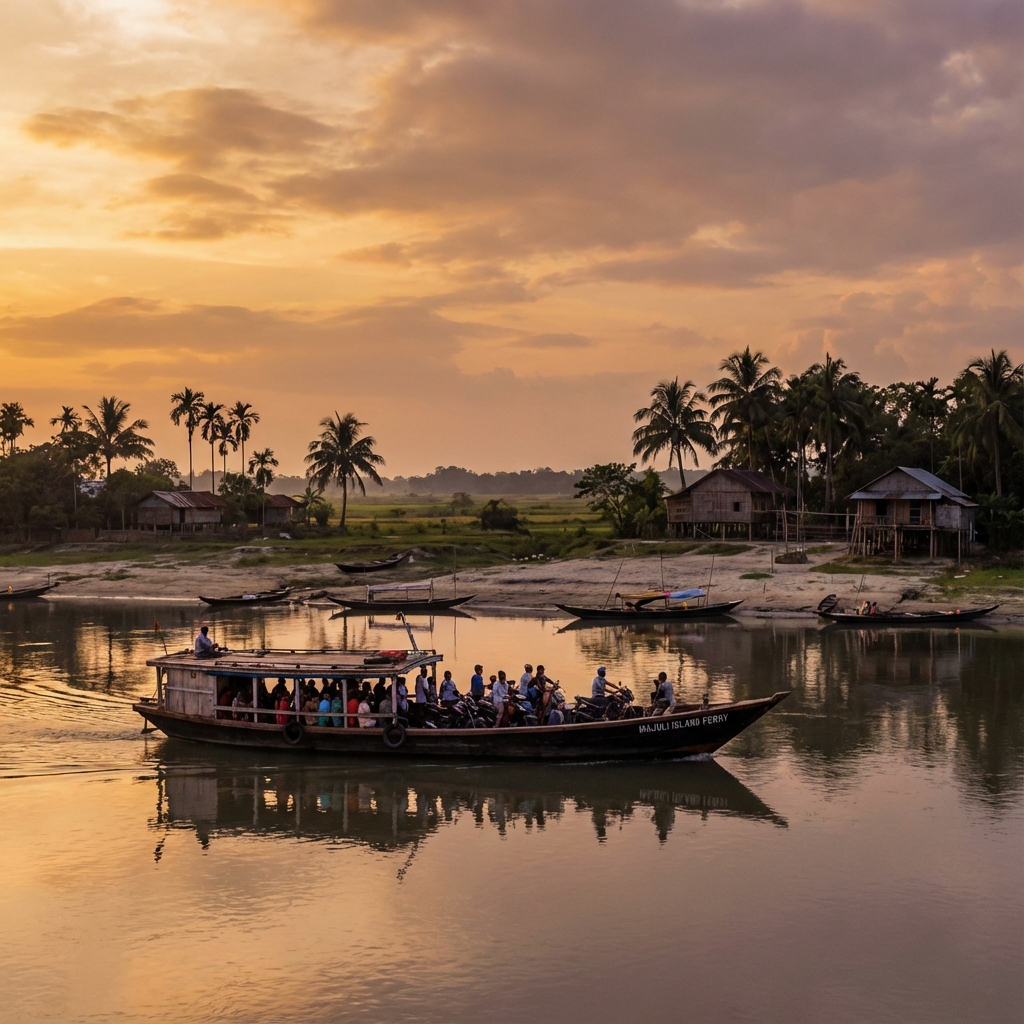
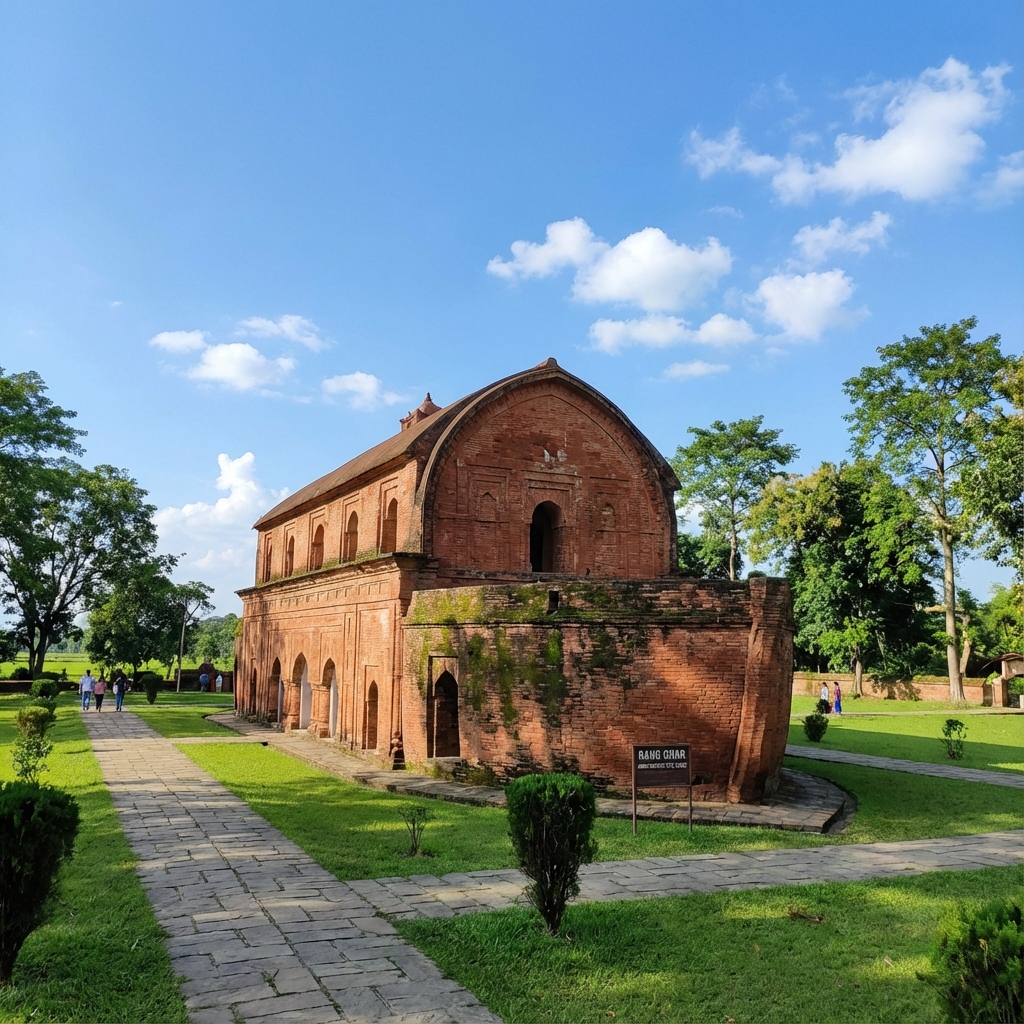
Assam is home to some of India's most spectacular wildlife sanctuaries, where ancient rivers flow through pristine forests and rare creatures roam freely. These protected lands represent a commitment to conservation and offer visitors an unforgettable journey into the heart of nature.
Kaziranga National Park: The Land of the One-Horned Rhino
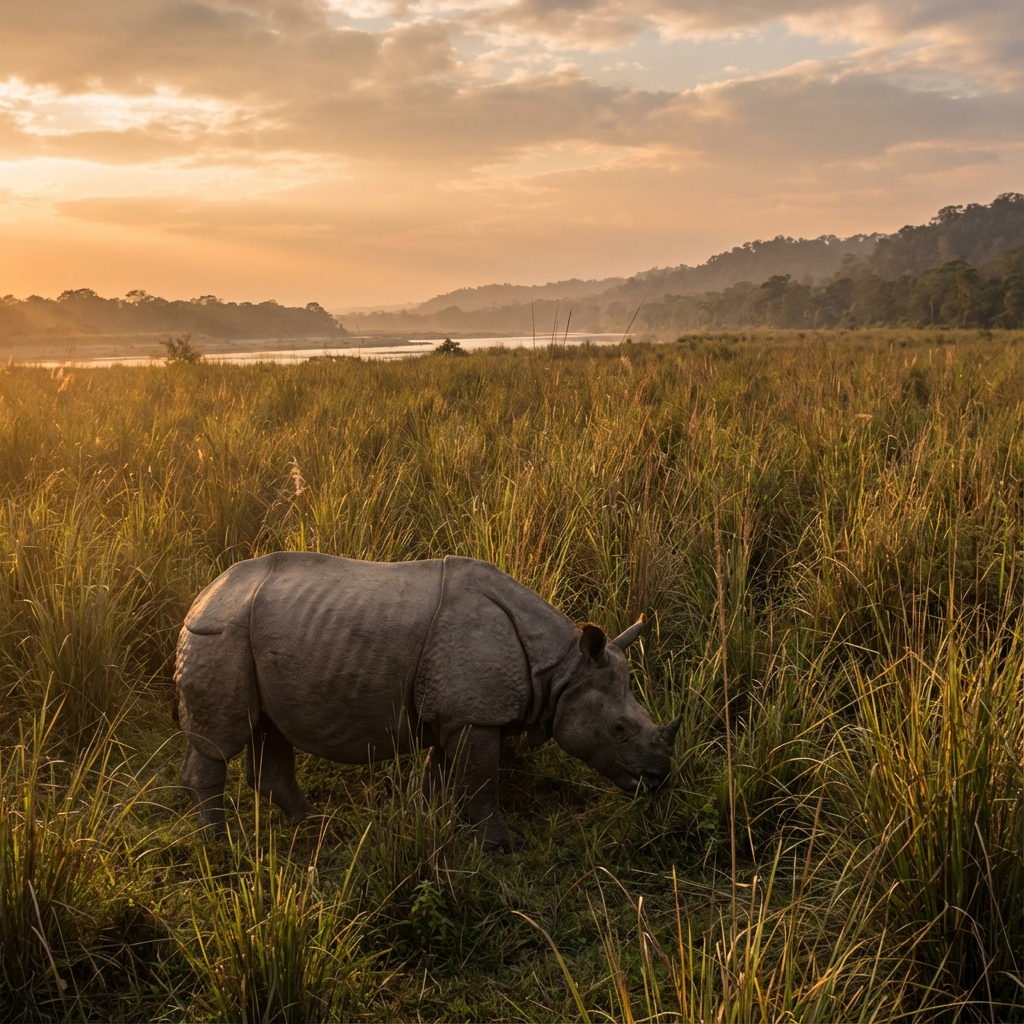
Kaziranga National Park is one of India's most important wildlife reserves and is home to the world's largest population of one-horned Indian rhinoceroses. Spread across nearly 1,000 square kilometers, this UNESCO World Heritage Site is a biodiversity hotspot.
"In Kaziranga, you stand witness to nature's grandeur and the triumph of conservation."
The One-Horned Rhinoceros
With fewer than 100 individuals remaining in the wild at the turn of the 20th century, the one-horned rhino is a conservation success story. Today, over 2,600 of these magnificent animals live in Kaziranga, making the sanctuary their stronghold.
Other Species in Kaziranga
Beyond rhinos, Kaziranga is home to wild water buffalo, swamp deer, Asian elephants, and the elusive Bengal tiger. The park's 1,400 species of plants support a rich ecosystem that makes it a paradise for wildlife enthusiasts and photographers.
Manas National Park: A Jewel on the Border
Named after the Manas River, this park sits at the foothills of the Himalayas and is one of the world's most beautiful wildlife sanctuaries. Declared a World Heritage Site, Manas is named after the Hindu goddess of wealth and prosperity.
Biodiversity and Conservation
Manas is home to over 500 species of birds, making it a paradise for birdwatchers. The park also protects endangered species like the clouded leopard, wild water buffalo, and Bengal tiger. The sanctuary's diverse habitats range from grasslands to tropical forests.
Other Wildlife Sanctuaries
Nameri National Park
Tucked away in the lap of the Himalayas, Nameri is known for its pristine rivers and abundant birdlife. The park is home to numerous species of hornbills and offers excellent opportunities for river rafting combined with wildlife viewing.
Dibru-Saikhowa National Park
This park is one of India's largest collections of wetlands and is crucial for migratory birds. During winter, thousands of birds from Central Asia migrate here, creating a spectacular natural phenomenon.
Best Time to Visit
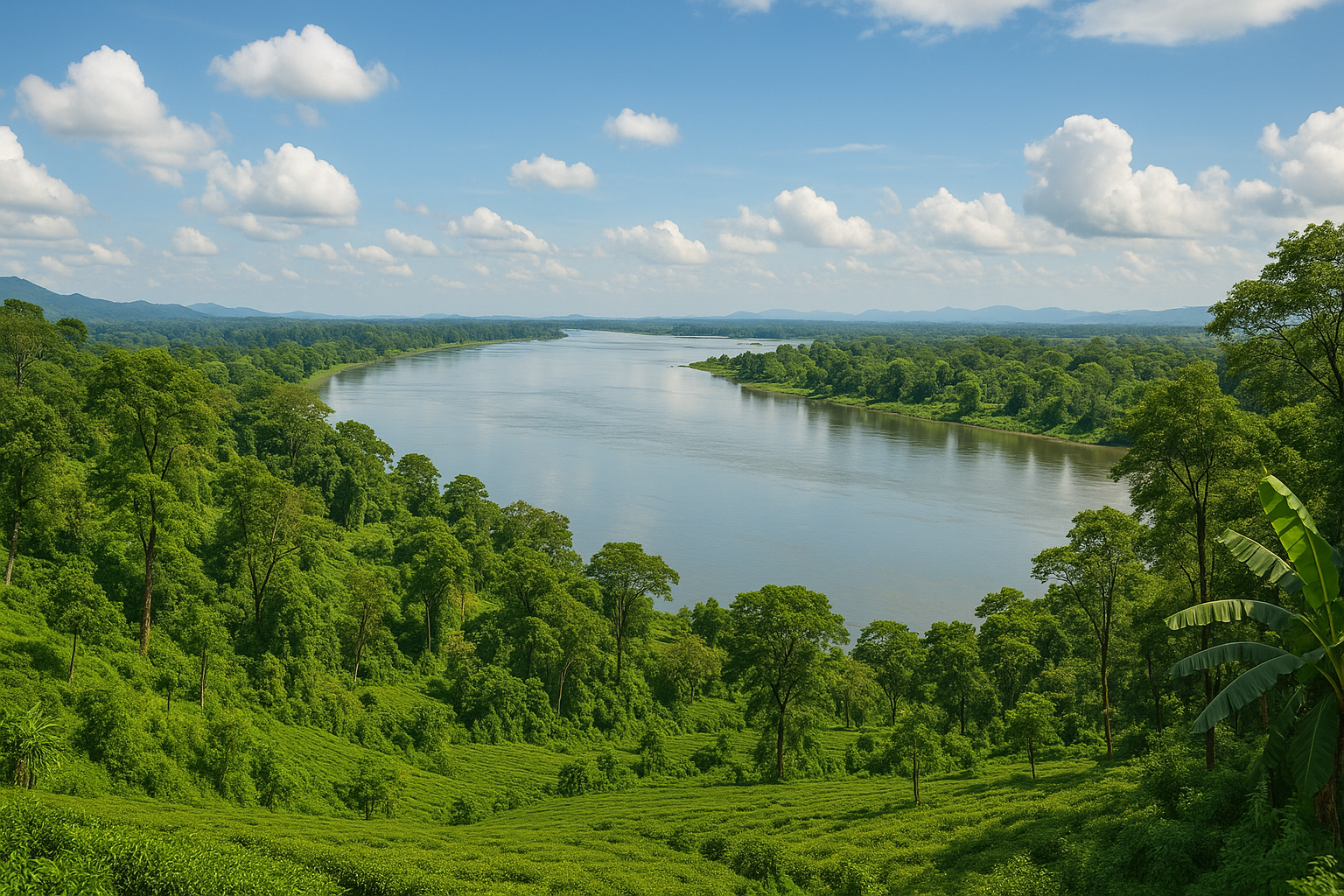
The ideal time to visit Assam's wildlife sanctuaries is from November to April, when the weather is pleasant and animals are more active. Winter months also bring migratory birds, creating opportunities for spectacular birdwatching.
Sustainable Tourism and Conservation
Responsible tourism plays a crucial role in wildlife conservation. By visiting these sanctuaries, tourists contribute to conservation efforts while experiencing the wonders of nature. It's important to follow guidelines set by park authorities to minimize impact on wildlife.
Visitor Tips and Guidelines
- Book permits and guides in advance through official channels
- Follow the park's speed limits and noise regulations
- Never feed animals or deviate from marked paths
- Carry binoculars and a good camera for wildlife observation
- Visit with a licensed naturalist guide for better experiences
- Respect wildlife and maintain safe distances
Preparing for Your Wildlife Adventure
When visiting Assam's wildlife sanctuaries, proper preparation is essential. Pack lightweight, neutral-colored clothing, sturdy walking shoes, sun protection, and insect repellent. Early morning drives offer the best chances of spotting wildlife.
Conclusion: A Call to Conservation
Assam's wildlife sanctuaries are not just tourist destinations—they are living laboratories of nature and conservation. Every visit helps protect these endangered ecosystems and the magnificent creatures that call them home. By experiencing these wonders responsibly, we become ambassadors for conservation and ensure these treasures survive for future generations.
"When we protect wildlife, we protect the very essence of our planet and our future."