Nestled in the lush valleys of Northeast India, Assam's tea gardens are not just vast plantations of green leaves—they are living museums of tradition, resilience, and artistry. This journey takes you through centuries of heritage, the hands that nurture every leaf, and the stories that steep in every cup.
The Beginning: A Legacy of Two Centuries
The history of Assam tea begins in the 1820s when the British discovered wild tea plants growing in the Assam region. Unlike the tea from Darjeeling, Assam tea developed its own unique character—bold, malty, and full-bodied. The first commercial tea garden was established in 1837, and by the mid-19th century, Assam had become the world's largest tea-producing region.
"A cup of tea is not just a beverage in Assam; it's a ritual, a ceremony, and a bridge between generations."
Today, over 15,000 tea gardens span across 1.3 million acres of Assam, producing nearly 13 million kg of tea annually. From the rolling hills of Dibrugarh to the plains of Tinsukia, each garden tells a story of dedication and craftsmanship.
The Tea Plucking: An Art Form
The most delicate part of tea production happens in the gardens themselves. Skilled "tea pluckers"—predominantly women—work from dawn, carefully selecting the youngest leaves and buds. Their expertise is unparalleled; they know instinctively which leaves will produce the finest tea.
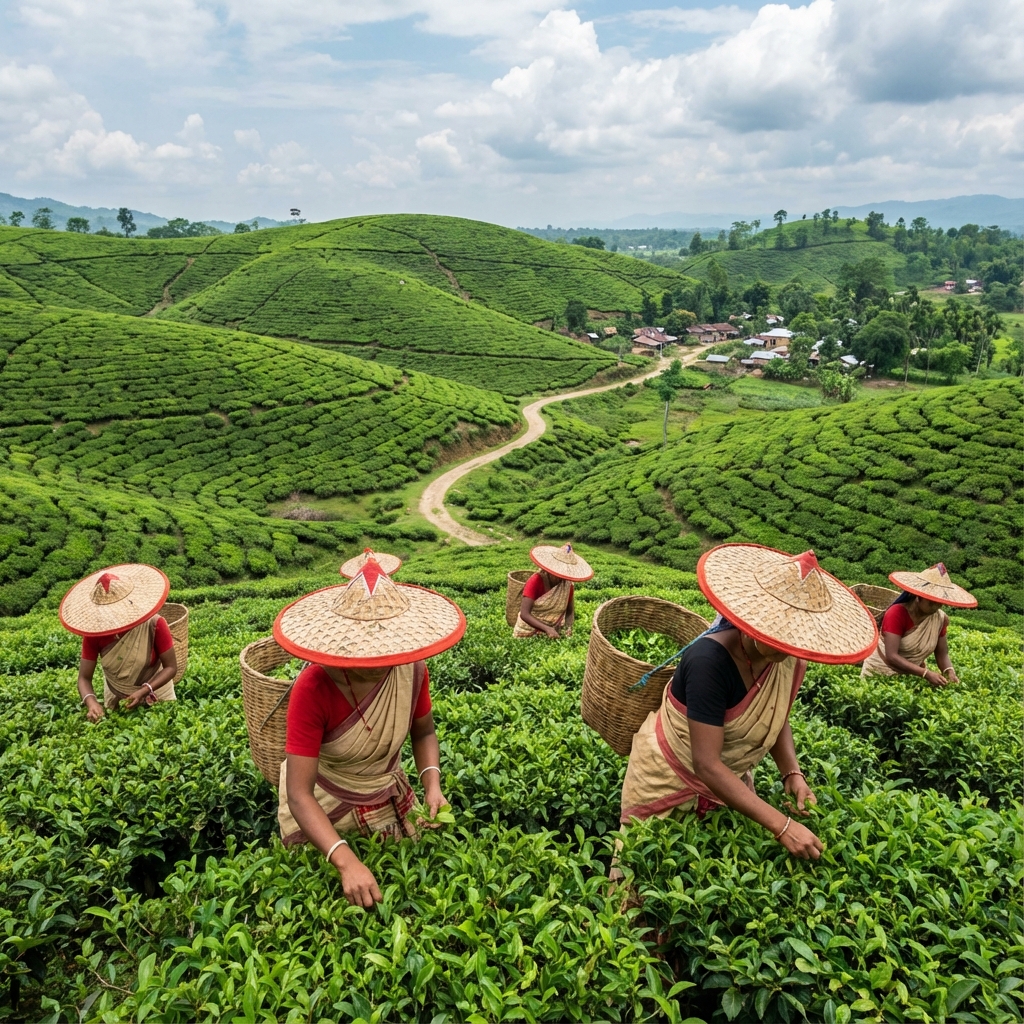
The daily routine begins at 5 AM. Workers move through the dense, vibrant green bushes, their baskets gradually filling with the precious "two leaves and a bud." This fresh harvest is rushed to the tea factory within hours, where the magic of transformation begins.
From Leaf to Cup: The Manufacturing Process
Assam tea production follows the traditional Orthodox method, a process refined over centuries:
- Withering: Fresh leaves are spread on large tables where they lose moisture, becoming pliable and fragrant.
- Rolling: The withered leaves are rolled by machines or hand, breaking cell walls and developing flavor compounds.
- Fermentation (Oxidation): The leaves rest for 20-60 minutes, during which chemical reactions create the characteristic color, aroma, and taste.
- Drying: Hot air dries the leaves to preserve them and halt oxidation.
- Sorting & Grading: Leaves are graded by size—whole leaves produce superior teas, while broken leaves and dust create economical blends.
The Gardens I Visited
During my recent visit to Assam, I had the privilege of exploring several iconic tea gardens:
Premium Tea Estate
Located in Dibrugarh, this estate is known for its premium Assam teas. The estate management shared stories of their founders planting the first bushes in 1920. Today, their teas win international awards, and they've embraced sustainable practices—from organic fertilizers to rainwater harvesting.
Heritage Tea Garden
This historic garden dates back to 1878 and covers 3,000 acres. Here, I watched vintage tea-making machinery still in operation, a testament to the timeless nature of the craft. The aromas from the factory—floral, fruity, and earthy—are intoxicating.
The Faces Behind the Leaves
The heart of Assam tea production lies with the people. Many tea pluckers are fourth-generation workers who pass down their knowledge to their children. As one worker explained:
"Our mothers taught us, and now we teach our children. The leaves speak to us—we know when they're ready. This is not just work; it's our identity."
The tea gardens also provide housing, education, and healthcare to thousands of garden workers and their families. Many gardens now offer training programs and fair-trade certifications, improving the lives of these essential artisans.
Modern Challenges and Sustainability
While Assam tea is celebrated globally, the industry faces challenges: climate change affecting growing seasons, labor migration to cities, and competition from other tea-growing regions. However, many tea gardens are rising to the occasion:
- Adopting organic and biodynamic farming methods
- Investing in renewable energy and water conservation
- Fair-trade certification ensuring better worker wages
- Tourism initiatives, allowing visitors to experience the gardens firsthand
- Research into climate-resilient tea plant varieties
The Tasting Experience
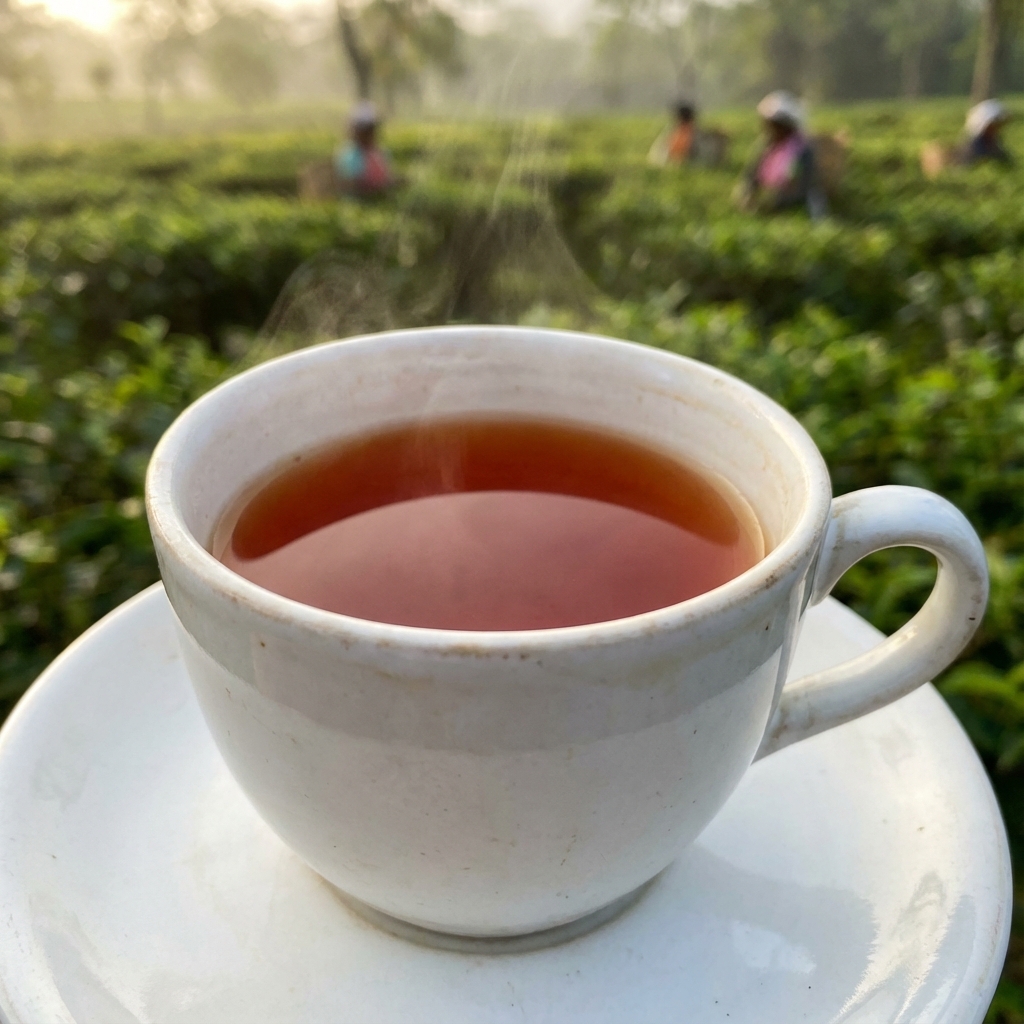
To truly appreciate Assam tea, one must taste it mindfully. Unlike black teas from other regions, Assam is bold and malty with notes of honey, chocolate, and spice. The best times to enjoy it are:
- First Flush (March-April): Light, floral, and delicate
- Second Flush (May-June): Full-bodied, golden, and rich
- Monsoon Flush (July-September): Brisk and earthy
- Autumn Flush (October-November): Mellow with fruity notes
Visiting Assam's Tea Country
For tea lovers and cultural enthusiasts, visiting Assam's tea gardens is a transformative experience. Many estates now offer:
- Tea garden tours and plantation walks
- Tea factory visits with live demonstrations
- Homestays with tea garden families
- Tea tasting and blending workshops
- Photography tours capturing the landscape and people
A journey through the rolling green hills of India's tea capital Assam, a state in northeastern India, is synonymous with tea. The sprawling tea
gardens that blanket the landscape are not just a source of the world-famous strong, malty
brew but are also an integral part of the region's history, culture, and economy. The discovery of tea in Assam is attributed to Robert Bruce, a Scottish adventurer, in 1823.
However, the local Singpho tribe had been brewing the leaves for centuries before the
British arrived. Today, Assam is the world's largest tea-growing region by production. Stay in a colonial-era bungalow surrounded by lush tea bushes.The Legacy of Assam Tea
A History Steeped in Tradition
Featured Listing
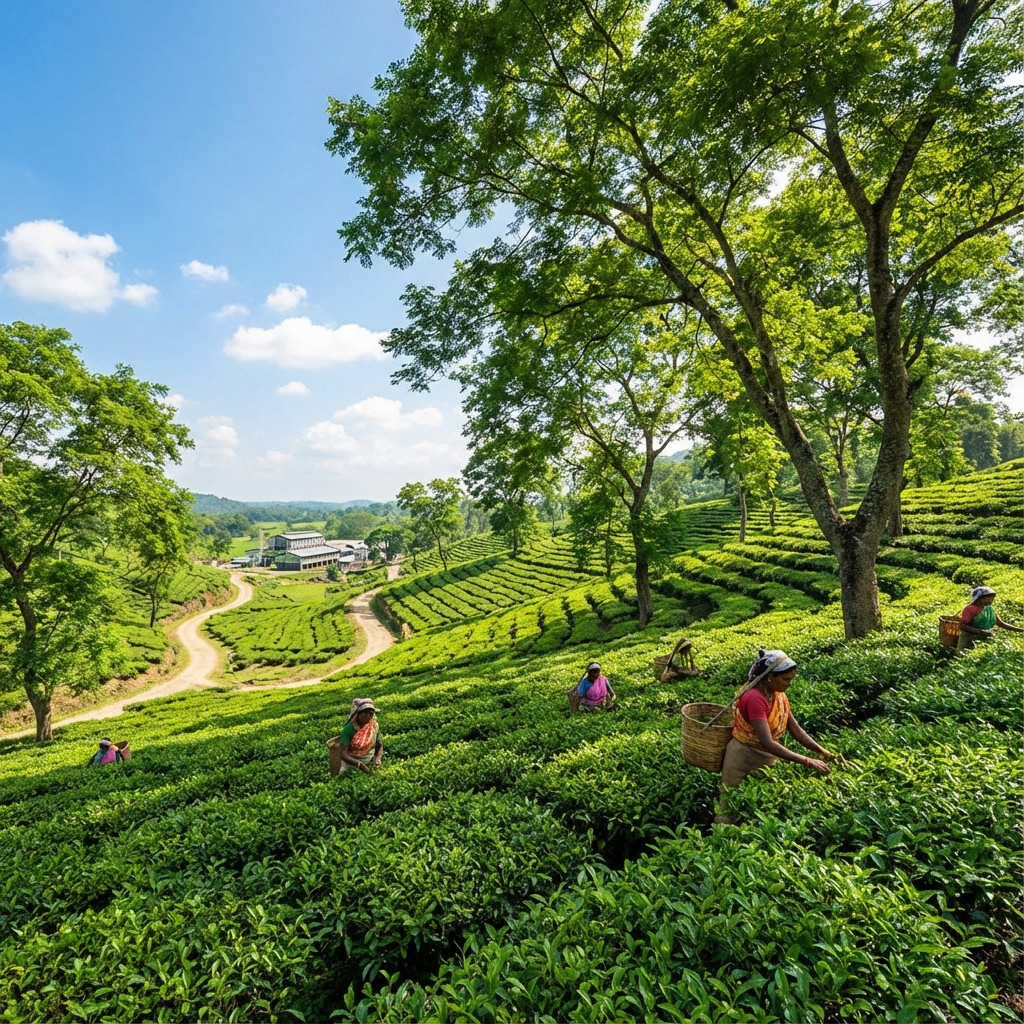
Heritage Tea Estate Resort